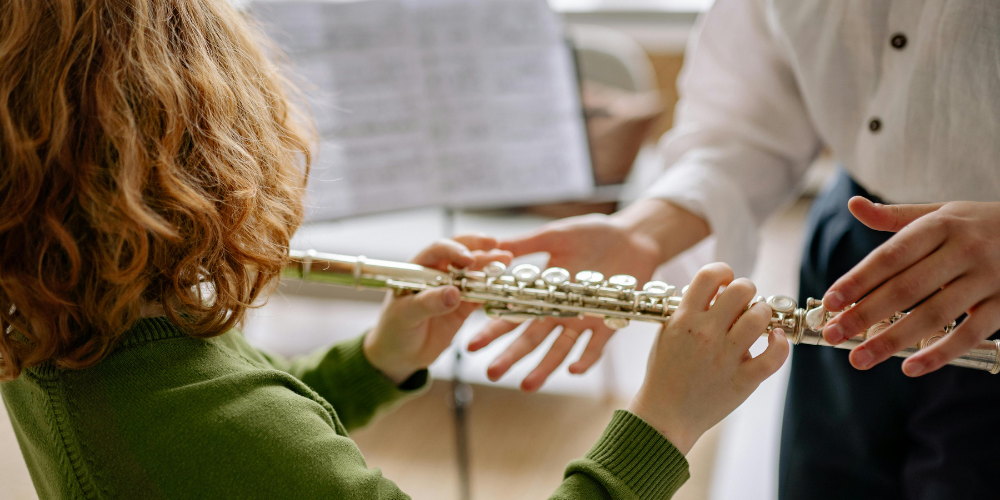
Nervous about your first lesson? adult beginners thrive, and the real benefits at any age. Don't hold back, It's never too late, start your music lessons today!
Somewhere along the way, a lot of us picked up a quiet belief: if you didn't start music lessons as a kid, you missed your window.
Maybe you took piano for a year in second grade and quit. Maybe you always wanted to play guitar but never got around to it. Maybe you're 45, or over 60 and the idea of walking into your first lesson feels a little embarrassing.
None of that matters. Adults pick up instruments for the first time every single day — and many of them progress faster and stick with it longer than kids do. If you've been telling yourself it's too late to learn an instrument, this one's for you.
The idea that music has to start in childhood is one of the most persistent myths in music education. It comes from a real place — young brains do absorb certain skills, like perfect pitch, more easily. But that's a narrow slice of what it means to learn music.
For nearly everything else — reading music, developing technique, understanding rhythm, learning to play the songs you actually love — age is far less important than most people assume. Adult learners bring something kids simply don't have yet: patience, self-awareness, and the ability to understand why they're practicing a certain way. Music teachers who work with both age groups will often tell you the same thing — adult beginners aren't behind. They're just starting a different kind of journey.
There's a reason music lessons are often recommended well into adulthood, and it isn't just sentimental. Learning an instrument is one of the few activities that engages your whole brain at once — visual, auditory, motor, and emotional processing all firing together.
This is where neuroplasticity comes in: your brain's ability to form new connections doesn't switch off after childhood. It slows down in certain ways, but it never disappears. Every time you work through a new chord or a tricky rhythm, you're actively building new neural pathways. Research has linked musical practice to sharper cognitive function, stronger problem-solving skills, and even better memory retention in adults.
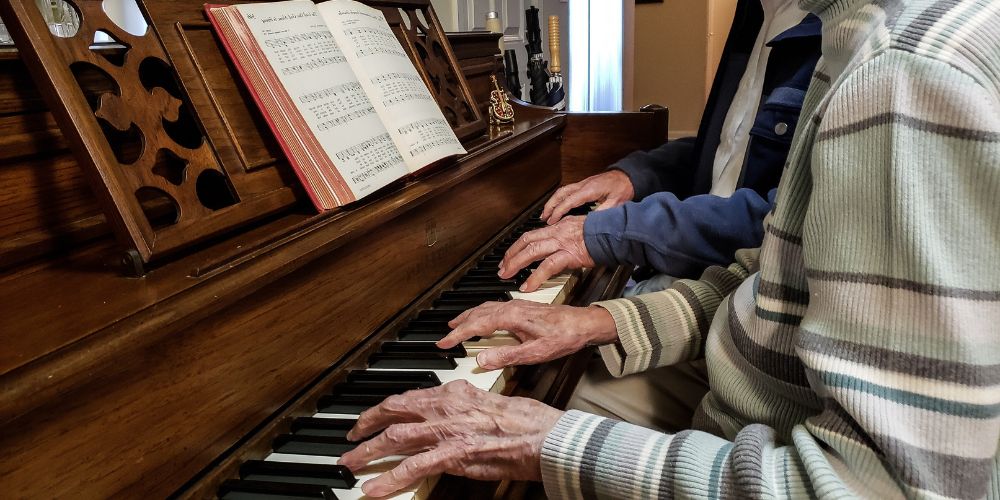
There's also a simpler, more immediate benefit: music lessons reduce stress. For many adult students, their weekly lesson becomes less about mastering an instrument and more about having one hour a week that belongs entirely to them — a genuine emotional outlet in an otherwise packed schedule.
Kids have energy and time. Adults have something arguably more valuable: intention.
As an adult beginner, you're not being sent to lessons by a parent — you're choosing this for yourself, which tends to translate into stronger practice habits and real follow-through. You also have the maturity to set realistic goals instead of comparing yourself to a viral video of a ten-year-old prodigy. Small, steady progress — being able to play one full song cleanly, or finally nailing a chord change you've struggled with for weeks — creates a genuine sense of accomplishment that keeps adult students coming back.
You're also free from a lot of the pressure kids feel. Nobody is grading you. Nobody is comparing you to your older sibling. It's just you, your instrument, and your own pace.
If you've decided you're ready, here's how to set yourself up well from day one.
Pick an instrument you love — not one you think you "should" play. Motivation fades fast when you're practicing something that doesn't excite you. If you've always been drawn to the warmth of a piano, the versatility of guitar, the expressiveness of violin, or the freedom of using your own voice through singing lessons, start there. An instrument like ukulele is also a popular, beginner-friendly entry point if you want something low-pressure to build confidence on before moving to guitar or piano.
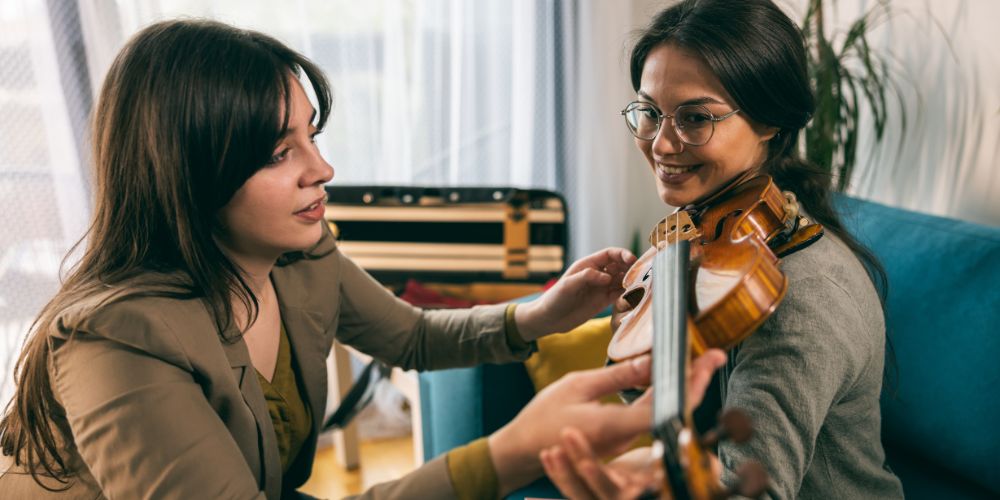
Find the right teacher. As an adult, your learning style is different from a child's, and a good teacher will adjust for that — moving at your pace, connecting new concepts to music you already enjoy, and treating your goals (whether that's playing at family gatherings or just personal enjoyment) as valid and worth building a plan around.
Decide between one-on-one and group classes. Private lessons offer focused, personalized instruction, while group classes can add a social, low-pressure element if you're nervous about being the only beginner in the room. Neither is "better" — it depends on what will actually get you to show up consistently.
Set realistic goals, and don't skip them. Rather than "I want to be great," try "I want to play one song well by the end of this month." Concrete, small targets keep total beginners motivated far better than vague, distant ones.
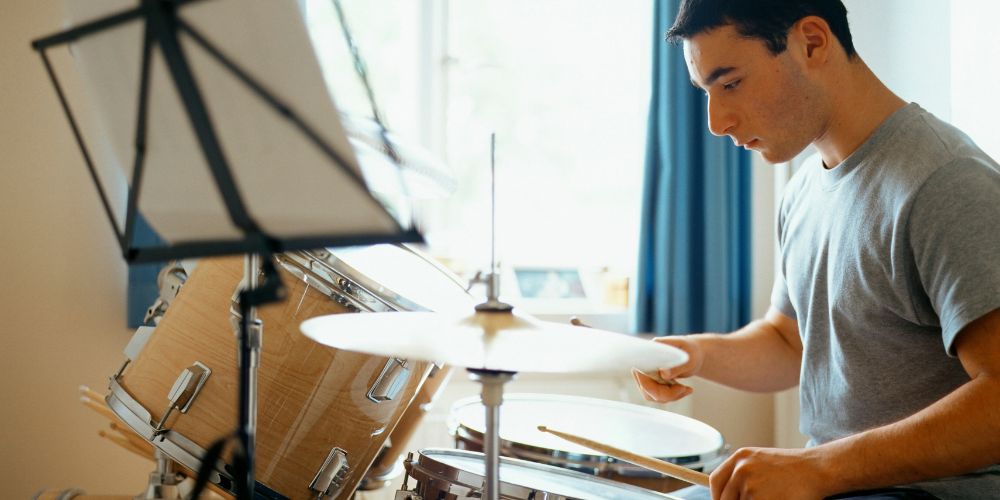
Your first lesson won't ask much of you technically — and it shouldn't. Early lessons are typically about getting comfortable: proper finger placement, basic posture, understanding how the instrument works, and playing your first simple song or exercise. It might feel slow at first, almost too basic — that's normal, and it's exactly how muscle memory gets built. Curious what those first sessions actually feel like?
There's no expiration date on learning to play music. Whether you're picking up an instrument for the first time or returning to one you loved decades ago, the joy of playing doesn't ask how old you are.
It just asks you to start!
If you've been holding onto a quiet dream of playing piano, guitar, violin, or learning to sing, consider this your sign. Our adult beginner students walk through the door at every age, and every one of them finds their own version of progress.
Get in touch with us to book a lesson at our Bellflower or Torrance location — it really is never too late.