Struggling with music practice? Learn how to motivate yourself or your child. Enjoy learning a musical instrument! Our experienced music teachers at our school will definately help giving you the extra motivation for practicing. MOTIVATION IS KEY

Almost every music student reaches a point where practice becomes difficult. The instrument is there, the lesson is coming up, but the motivation to practice feels low. This happens to children, teens, and adults alike, and it does not mean there is a lack of talent or interest.
Music practice is a skill in itself. Every musician was once a beginner. Learning how to practice, how to stay motivated, and how to enjoy the process is just as important as learning to play an instrument. Whether you are a parent trying to motivate your child, or an adult student trying to get back to practicing regularly, the strategies below can help you build healthy, long-lasting motivation.
Before trying to motivate a student, it helps to understand why motivation fades in the first place. Many music students lose motivation because:
This is especially common when learning a new instrument or starting music lessons for the first time. Instrumental music requires patience, repetition, and time, which can feel frustrating without the right guidance.
At Ardes Music School, teachers often explain that motivation is not something you either have or do not have. Motivation grows when students experience success, enjoyment, and support during the learning process.
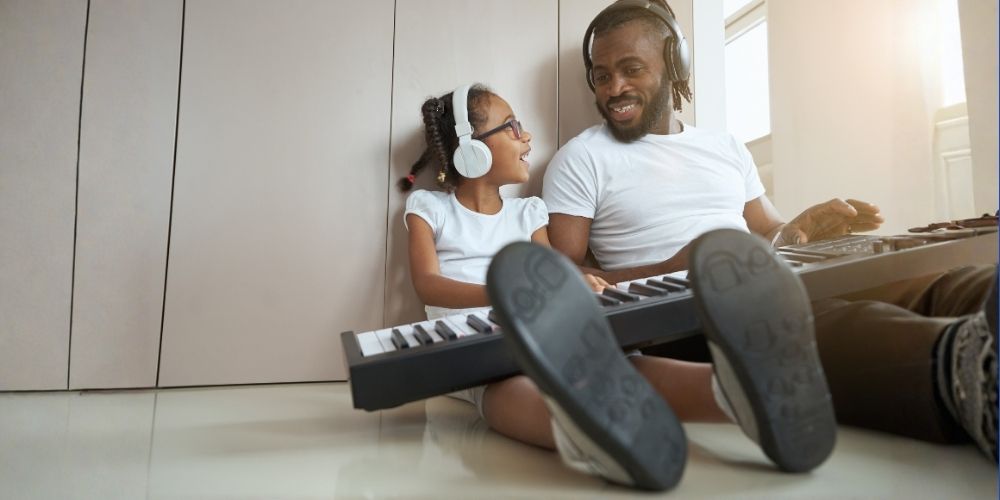
One of the most effective ways to motivate a child is to shorten practice time. Many parents assume that long practice sessions lead to faster progress, but for young people, shorter and more consistent practice works better.
Ten to fifteen minutes of focused music practice is often more effective than a long session filled with frustration. The goal is to make practice part of the daily routine rather than something to avoid.
If your child is enrolled in piano lessons, violin, guitar, drum classes, or any other musical instrument, simply ask the teacher how long practice should realistically be at their level.
Trying to motivate a child by acting as the teacher at home can quickly lead to tension. Instead, allow the music teacher to guide the learning process.
A great teacher provides clear goals, specific assignments, and structured lesson plans. Parents can then support practice by encouraging effort rather than correcting mistakes.
Motivation grows when progress feels visible. Small wins matter, especially for beginners.
Examples of small wins include:
Acknowledging these moments helps children feel successful and motivated to practice again. Small wins are one of the most effective motivational strategies for music students.
Adults face different challenges when it comes to music practice. Busy schedules, work responsibilities, and self-criticism can all make it difficult to stay motivated.
Many adult students lose motivation because they compare themselves to others or expect fast results. Learning music as an adult is not about competing or rushing.
Progress can mean:
Music education is a personal journey. If you are returning to music after years away, this blog article about adults learning an instrument explains why adult students often make excellent musicians.

Motivation often appears after action, not before. Waiting until you want to practice rarely works.
Choose specific days and times each week for practice. Treat this time as an appointment with yourself. Even a short practice session helps build momentum and consistency.
Private music lessons help adult students stay motivated because they provide structure, accountability, and regular feedback.
Whether you are a child or an adult, practice should feel rewarding. When music practice becomes a chore, motivation disappears.
Beginning a practice session with a favourite song or familiar piece can make the process more enjoyable. Once warmed up, students are often more open to working on technical exercises or sight reading.
Changing activities within a practice session helps maintain focus. You might:
This keeps practice interesting and supports musical development.
The instrument itself plays a major role in motivation. If a student does not connect with their musical instrument, practice becomes harder.
Some students feel motivated by piano, while others connect more with guitar, violin, or drums. Allowing a student to play an instrument they enjoy increases intrinsic motivation.
If you are unsure which instrument fits your child or yourself, read this article about choosing the right instrument, - it offers helpful guidance.

Consistent music lessons provide structure and direction. A well-designed lesson includes:
At Ardes Music, our instructors focus on helping students stay motivated by adapting lessons to individual learning styles. This approach helps music students in both in Bellflower and Torrance, Los Angeles to build confidence and enjoyment.
Music lessons also prepare students for milestones like recitals or a concert, which can give practice a clear purpose and deadline.
Even motivated musicians lose motivation sometimes. This is normal.
Sometimes the best strategy is to take a break. Stepping away for a day or two can help students return to practice with fresh energy. A short break does not mean quitting.
Ask yourself or your child:
Reconnecting with musical goals helps students find motivation again.
Here are proven ways to stay motivated over time:
These strategies help students move to the next level while enjoying the process.
Some students are motivated by achievement, others by enjoyment, and others by social interaction. Understanding what motivates each student helps teachers and parents support practice more effectively.
At Ardes Music School, instructors work closely with students and parents to understand psychological needs, learning styles, and musical interests.
Motivation to practice music does not come from pressure or fear of failure. It grows from positive experiences, supportive teaching, and a sense of progress.
Whether you are helping a child practice or motivating yourself as an adult, remember that music is an art, not a race. Learning to play an instrument should feel meaningful, enjoyable, and rewarding.
With the right strategy, guidance, and environment, music practice becomes something students want to do, not something they need to do.
If you or your child are struggling with motivation, the right music school can make a significant difference.
At Ardes Music, we offer:
Explore more helpful resources on our blog, or contact us to learn how we can help you or your child stay motivated and enjoy making music.
Music is a journey, and motivation grows when the journey feels inspiring!